

Stay Relaxed with IV Conscious Sedation
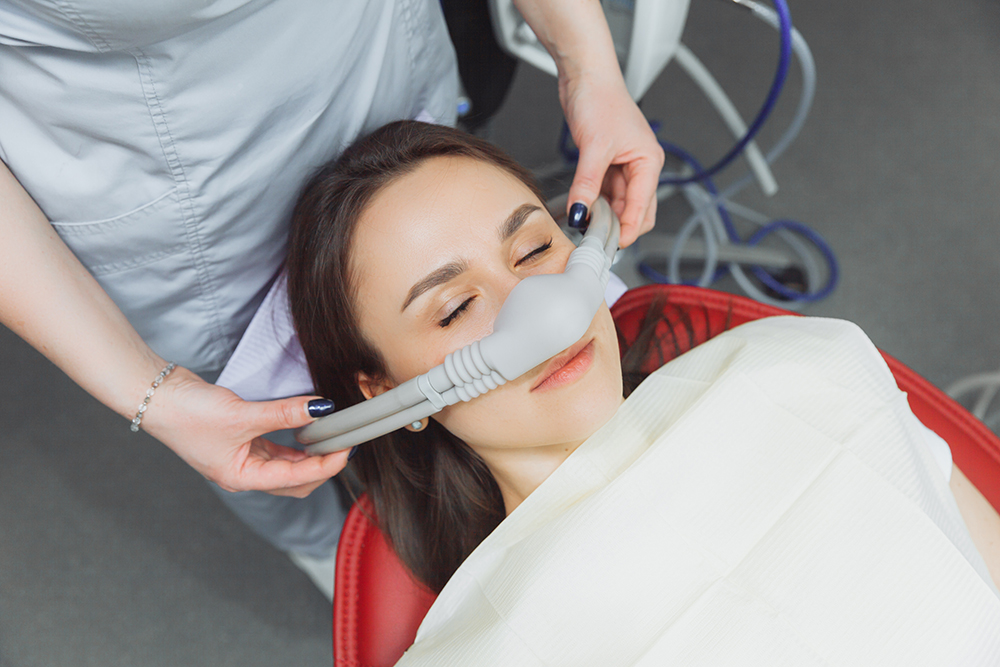
Sedation dentistry may be very helpful for patients who have low pain thresholds, severe tooth sensitivity, or dental anxiety. IV conscious sedation is one of the efficient sedation techniques we provide at Walton Family, Cosmetic & Implant Dentistry. Read on to learn more about IV conscious sedation in Greenwood and how it can help your next dental procedure.
How IV Sedation Helps with Complex Dental Work
IV sedation is a method wherein the sedative medications are injected directly into your blood stream. The medicine takes effect almost instantly. We can also measure or titrate the medicine to reach the effective dose quickly and safely.
If the medicine is wearing off, we can administer a variety of medicines through the IV line to help ease the sedation. This is not possible when giving someone oral sedation. Furthermore, we can administer reversal agents to counteract any medicines, if need be. This is very important from a safety standpoint.
Benefits of IV Sedation Method
The benefit of intravenous (IV) sedation is that the level of medication can be adjusted during your procedure to ensure maximum comfort. Dr. Walton will administer medication directly into your blood stream (unlike swallowing a pill), ensuring that the drugs work quickly and effectively. You may sleep through much of the procedure, but you will be able to be awakened easily and will remain in a state of relaxation. It is very likely that you will not remember much of your procedure afterwards.
You will be completely relaxed and comfortable, since IV sedation eliminates both anxiety and pain. Dr. Walton can accomplish more extensive treatment when patients receive this type of sedation because it relaxes the jaw and facial muscles. For this reason, it is also a good option for patients with a sensitive gag reflex.
Is IV Sedation Right for You?
Dr. Walton will review your medical history and determine which sedative options will be safest and comfortable for you. Although most healthy persons can safely use IV sedation, it is not recommended if you have any of the following conditions:
- Allergy to drugs used for intravenous sedation
- Any stage of pregnancy
- Taking other medications
- Heart and respiratory disorders
- Glaucoma
- Older age
Comfortable Dental Procedures with IV Sedation in Greenwood
Dr. Walton cares about your comfort during dental treatments. Before any impending dental operations, our kind and knowledgeable dentist can help you relax and feel comfortable. IV conscious sedation can be the best option if you require assistance controlling your anxiety during treatments.
Do you wish you had a bright, healthy smile? Visit Walton Family, Cosmetic & Implant Dentistry in Greenwood, Indiana, to make that goal a reality. Contact us today to learn more about how our state-of-the-art facilities and dental services can improve your smile and oral health!
Frequently Asked Questions about IV Conscious Sedation
Where can I find a dentist who offers IV sedation in Greenwood, IN?
Walton Family, Cosmetic & Implant Dentistry offers in-office IV conscious sedation at 488 IN-135, Greenwood, IN 46142, just minutes from Greenwood Park Mall. Dr. Matthew Walton, DDS, FAAID, DABOI/ID is one of only a few Indiana dentists licensed to administer IV sedation in the office, which means you don’t need a hospital referral or a separate anesthesiologist for most procedures. To ask questions or book a consultation, call (317) 885-7006 or request an appointment online. The practice also serves patients from Indianapolis, Bargersville, New Whiteland, Beech Grove, Southport, Franklin, and Martinsville.
How do I prepare for a dental appointment with IV sedation?
Most IV sedation appointments require you to fast for 6 to 8 hours beforehand, meaning no food or drink (including water) after midnight the night before, unless your dentist gives you different instructions. Wear loose, comfortable clothing with sleeves that roll up easily for IV access, and arrange for a responsible adult to drive you to and from the appointment and stay with you for the rest of the day. Bring a complete list of your current medications, supplements, and any known allergies so Dr. Walton can review your medical history before starting. Skip contact lenses, nail polish on at least one finger, and heavy makeup on the day of your appointment.
Can I drive myself home after IV sedation?
No. You cannot drive, operate machinery, or make important decisions for at least 24 hours after IV sedation, because the medication stays in your system and impairs coordination and judgment well after you feel alert. You’ll need a responsible adult to drive you home from the appointment and, ideally, stay with you for a few hours afterward. Rideshare services (Uber, Lyft) generally aren’t acceptable because sedated patients need someone who can help them into the car and monitor them at home. Plan this in advance, since the appointment cannot proceed safely without a confirmed driver.
How long does it take to fully recover from IV sedation after a dental procedure?
Most patients feel steadier within 1 to 2 hours after IV sedation ends, but full recovery, including clear thinking and normal coordination, takes about 24 hours. You’ll likely feel drowsy, mildly disoriented, or unsteady for the rest of the day, so plan to rest at home and skip work, school, and any exercise. Start with light foods and clear liquids once nausea passes, then return to your normal diet as you feel up to it. Most patients feel completely back to normal by the next morning, though some memory gaps around the procedure itself are common and expected.
What are the possible side effects of IV sedation at the dentist?
The most common side effects of IV sedation are drowsiness, grogginess, mild nausea, headache, dry mouth, and temporary memory gaps around the procedure, most of which fade within a day. A small bruise or tenderness where the IV was placed in your arm or hand is also normal and typically clears in a few days. Serious complications are rare when IV sedation is administered by a trained, licensed provider like Dr. Walton, but call the office right away if you experience prolonged vomiting, difficulty breathing, severe swelling, or a rash after your appointment. Reviewing your full medical history and current medications beforehand helps minimize risk.
How is IV sedation monitored during a dental procedure to keep me safe?
Throughout your procedure, the dental team continuously monitors your vital signs, including blood oxygen level (pulse oximetry), heart rate, blood pressure, and breathing, so any change can be caught and addressed immediately. IV sedation also allows the dose to be adjusted in real time and, if needed, reversal agents can be administered through the same IV line to quickly counteract the sedative. Dr. Walton is specifically trained and state-licensed in IV sedation (a credential most Indiana general dentists don’t hold), and the appointment includes a full medical history review beforehand to identify any risk factors. This combination of monitoring, real-time control, and trained oversight is what makes in-office IV sedation a well-established safety standard.
Is IV sedation safer than oral sedation or nitrous oxide for dental work?
All three levels of sedation dentistry are considered safe when administered by a trained dentist, but they serve different needs. Nitrous oxide is the mildest and clears in minutes, oral sedation provides deeper relaxation via a prescribed pill taken beforehand, and IV sedation offers the deepest control because the dose can be adjusted in real time and reversal agents are available if needed. IV sedation isn’t universally “safer” than the others, but it does allow the most precise monitoring and control during longer or more complex procedures. The right choice depends on the procedure, your anxiety level, and your medical history, and Dr. Walton will help you decide during a consultation.
Can children receive IV sedation for dental treatment?
IV sedation is generally used for adult patients and is not the standard approach for routine pediatric dental care. Children with severe dental anxiety, special healthcare needs, or extensive treatment requirements are typically referred to a pediatric dentist or a hospital-based setting where pediatric anesthesia expertise is available. For younger patients, milder options like nitrous oxide or oral sedation are often more appropriate. If your child needs help getting through dental treatment, contact Walton Dental to discuss the best option and whether an in-office approach or a referral makes the most sense for their age and situation.
Does dental insurance cover IV sedation in Greenwood?
Dental insurance coverage for IV sedation varies significantly by plan. Many dental plans will cover it when it’s medically necessary (for surgical procedures, extensive work, or documented severe dental anxiety), but most consider it elective for routine cleanings or basic restorative work. Some medical insurance plans may cover sedation when it’s paired with certain oral surgery procedures. The team at Walton Dental will verify your specific benefits and provide a written estimate before treatment so there are no surprises. If your plan doesn’t cover it, CareCredit and Cherry Financing are available to spread the cost over time with 0% APR promotional options for those who qualify.
Is it worth traveling from Indianapolis or Carmel to see a dentist offering IV sedation in Greenwood?
For patients on the north side of Indianapolis, the drive to Greenwood is typically 30 to 45 minutes off-peak via I-465 and I-65, and many patients from Carmel, Westfield, Zionsville, Plainfield, Castleton, and Avon make it regularly. The reason is that Dr. Walton is one of only a few Indiana dentists licensed to administer IV sedation in the office rather than requiring a hospital setting or a separate anesthesiologist. That means one appointment, one location, and one team for sedation, surgery, and follow-up, which is especially valuable when IV sedation is being paired with dental implants, wisdom teeth removal, or full-mouth restoration. For a single sedation-heavy visit, most patients say the drive is worth consolidating their care.